Our Experience
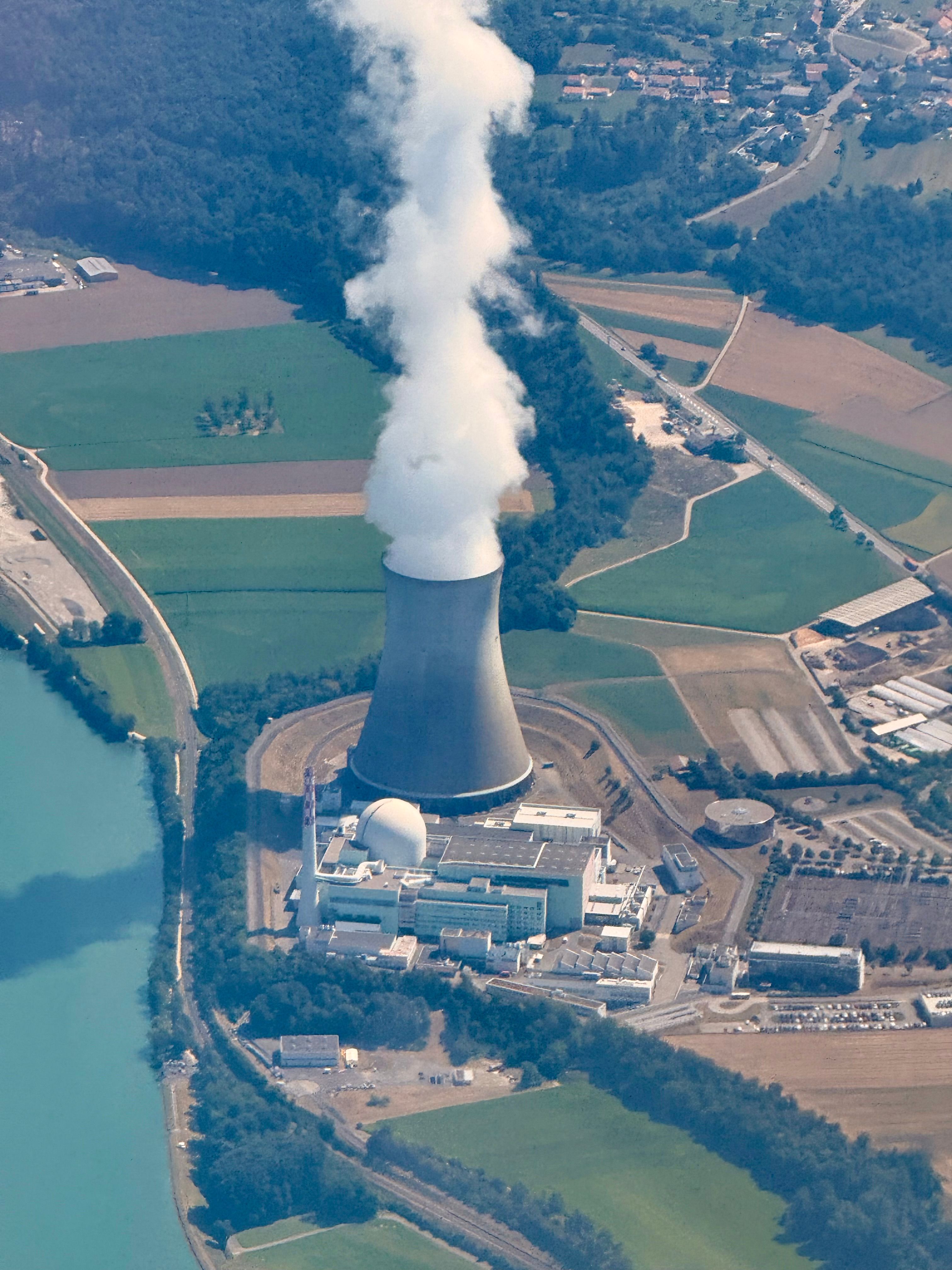
Nuclear New Build
Hinkley Point C (HPC) is the first new nuclear power station to be built in the United Kingdom in over 30 years. Developed by EDF Energy on the Somerset coast, the project will deliver two EPR reactors with a combined output of 3.2 GW — enough to power approximately 6 million homes. With a total estimated cost in excess of £35 billion, HPC is one of the most complex and capital-intensive infrastructure projects ever undertaken in the UK.
The project faced a generation-wide gap in nuclear knowledge — both in managing a project of this scale and complexity, and across a supply chain with very limited experience in the nuclear industry. EDF Energy's Nuclear New Build division faced the dual challenge of rebuilding the UK's nuclear industrial capability while developing the project delivery mechanisms needed to manage the design and delivery of highly critical nuclear equipment.
Our role was to bring processes and procedures from other industries and adapt them to the more stringent regulatory framework of the nuclear sector, including direct liaison with the UK's nuclear regulator, the Office for Nuclear Regulation (ONR).
As the first nuclear new build project in a generation, HPC faced the challenge of setting up entirely new processes to manage a nuclear supply chain. Leveraging the knowledge and practices of other industries provided a valuable foundation, but it needed to be substantially enhanced to meet the nuclear safety expectations set out by the ONR and its Technical Assessment Guides (TAG).
In addition, a new supply chain management team had to be established and trained in the new ways of working — building organizational capability in parallel with the development of the processes and procedures themselves.
As subject matter experts in equipment procurement and delivery, we developed a new set of processes and procedures for the management of all non-nuclear island equipment supply chain. We developed a comprehensive manual covering materials management, documentation control, equipment expediting, inspection, qualification, and logistics.
The manual was designed to meet the specific requirements of managing the delivery of a nuclear equipment supply chain in full accordance with the expectations set out by the ONR — translating regulatory requirements into practical, workable processes that the project team could implement and sustain throughout the delivery program.