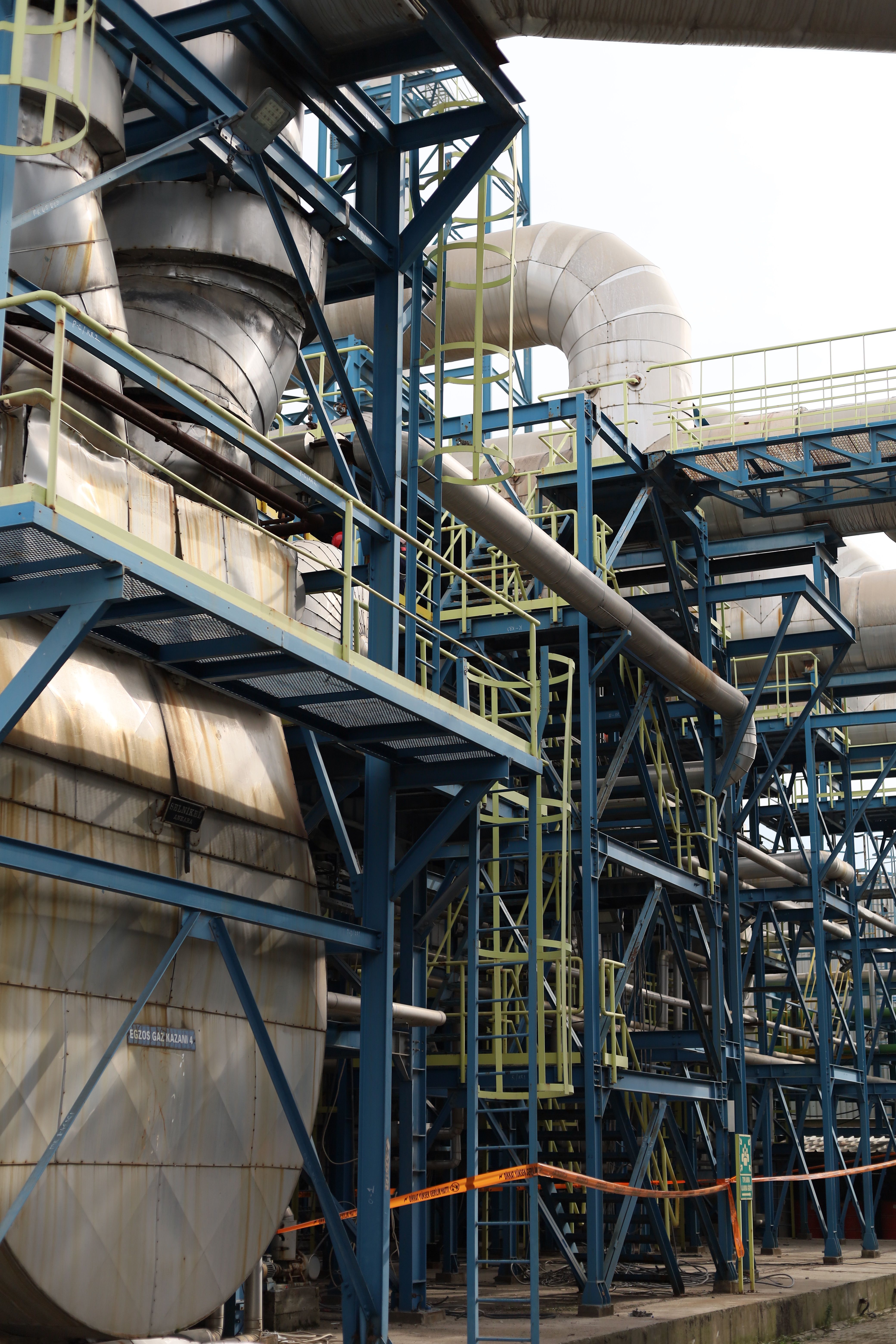
The Chevron Gorgon LNG project on Barrow Island, Western Australia, is one of the largest and most technically complex resource projects ever executed, with a total installed cost of approximately $54 billion. The three-train LNG facility — with a combined export capacity of 15.6 million tonnes per annum — was built on a Class A nature reserve, imposing extraordinary environmental constraints that shaped every aspect of procurement, logistics, and supply chain planning across the life of the project.
We were engaged to manage the critical interface between Engineering and Procurement, ensuring that procurement activities were aligned with construction readiness requirements and the overall megaproject schedule — a role that placed us at the centre of the project's most time-sensitive and technically demanding coordination challenges.
Gorgon's scale and location created interface complexity of a kind rarely encountered on any capital project. Engineering outputs — technical datasheets, purchase requisitions, vendor drawing review cycles — had to flow seamlessly into procurement and manufacturing schedules that spanned fabricators and suppliers across Asia, Europe, and North America. Any misalignment or delay in communicating engineering requirements translated directly into manufacturing delays and, ultimately, schedule risk at the construction face on Barrow Island.
The island's protected status also constrained the construction footprint and logistics chain in ways that amplified the consequences of any procurement misalignment. With no margin for error in material deliveries and a fixed construction window, the interface between engineering completion and procurement execution had to be managed with exceptional discipline.
We implemented a structured interface model that aligned engineering, procurement, expediting, and suppliers within a single collaborative workflow. Drawing on our engineering and procurement experience, we helped project teams focus on the true critical-path deliverables — identifying where engineering maturity was sufficient to release procurement actions and where it was not — reducing unnecessary complexity and improving productivity across both functions.
Our approach, operating with the full trust of the Chevron Owner's team, helped stabilise the flow of equipment and materials to site. By improving predictability and reducing uncertainty across the procurement chain, we enabled senior project management to redirect attention to the construction phase with greater confidence in the availability and timing of engineered equipment. In a project where every day of schedule slip carried a material cost, the discipline we brought to engineering-procurement interface management delivered measurable value to Chevron's programme.
This engagement exemplifies one of GPS's core capabilities: the use of engineering and construction domain knowledge to manage the interface between the Owner's technical teams and the equipment supply chain. Our technical expertise allowed us to understand and act on engineering requirements in a way that a purely commercial procurement resource could not — expediting engineering documents to enable the overall design programme, and managing manufacturers to ensure that equipment release dates were met and no delays were introduced at the construction face.